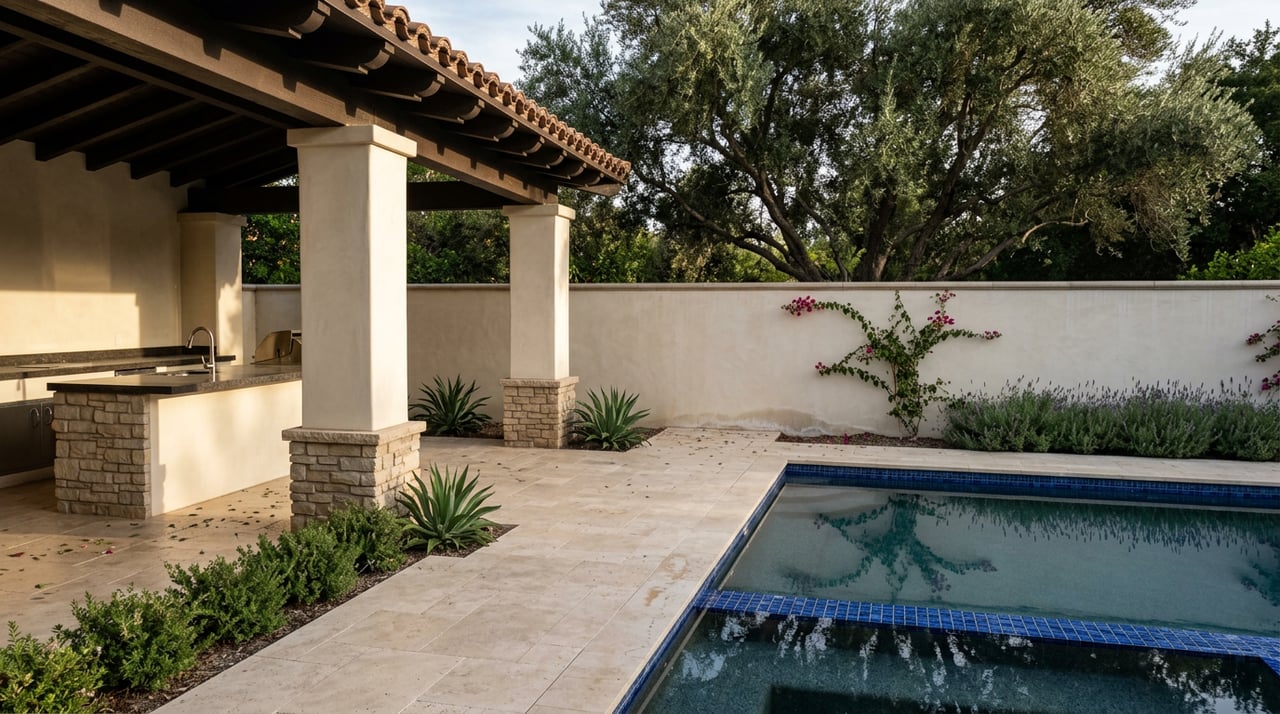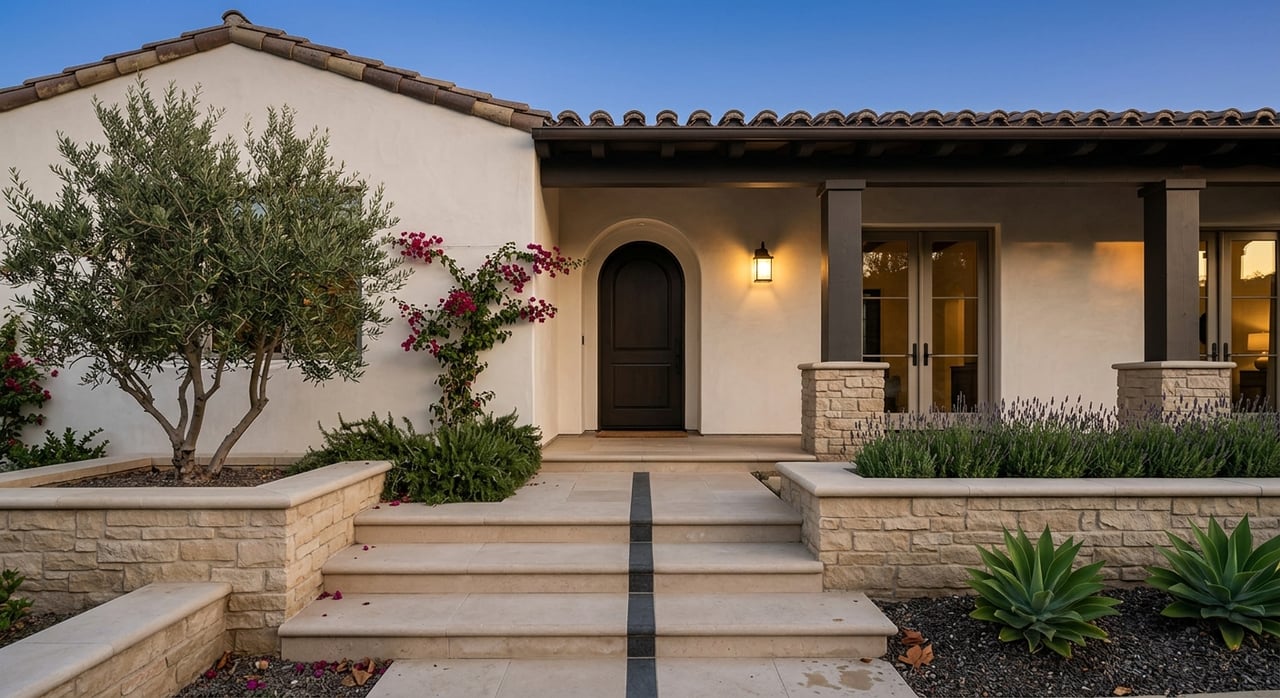
If you are drawn to Del Mar, one question tends to come up fast: do you want to live close to the sand or up in the hills? In a city that covers just 2.2 square miles and has roughly 4,200 residents, that choice can shape your day-to-day lifestyle more than you might expect. Understanding how Del Mar’s beachside and hillside areas differ can help you focus your search, ask better questions, and feel more confident about where you land. Let’s dive in.
Why the Del Mar setting matters
Del Mar may be small, but it is not one-size-fits-all. The city describes itself as primarily made up of single-family residential neighborhoods with a compact downtown and village core, which means location has a big impact on how a home feels and functions.
The city’s planning vision also emphasizes a residential community, natural beauty, recreation, a vibrant downtown, and neighborhood compatibility. In practical terms, that helps explain why the difference between beachside and hillside homes matters so much for buyers comparing lifestyle, access, and setting.
Beachside Del Mar at a glance
When people picture classic Del Mar living, they are often thinking of beachside areas like North Beach, Beach Colony, the Village, and streets near the sand. These parts of town put you closest to the shoreline, parks, and pedestrian activity.
The city’s design guidelines describe North Beach, also called Beach Colony, as the most ocean-adjacent residential area. It is relatively dense, mostly flat, arranged on a grid, and made up of small lots with minimal setbacks, narrow streets, limited landscaping, and a wide mix of single-family and multifamily homes.
City project maps show Beach Colony as the district between 18th Street and the San Dieguito River, with the beach to the west and the railroad tracks to the east. The 25th Street district extends from Camino Del Mar to Ocean Front, adding to the cluster of homes with strong beach access.
What beachside living feels like
Beachside Del Mar is closely tied to outdoor access. The city notes there are more than two miles of sandy beach, with Powerhouse and Seagrove Parks above the 15th Street surf break and North Beach, also known as Dog Beach, north of 29th Street.
The city also says there is public access at every street end, at the river mouth, and at Powerhouse Park. That kind of access is a major lifestyle draw if you want easy beach walks, regular park use, or a more active, outdoors-oriented routine.
The Village adds another layer to the beachside experience. City planning materials describe it as pedestrian-oriented, which supports the appeal of being able to get around on foot in this part of Del Mar.
At the same time, the city also notes that traffic congestion and parking shortages can affect the Village’s small-town feel. That is an important clue for buyers who love convenience but also want to think realistically about activity levels, visitor presence, and seasonal demand.
Common traits of beachside homes
If you are comparing homes near the sand, a few patterns tend to stand out:
- Smaller lots
- Narrower streets
- Homes closer together
- Less separation from public activity
- Faster access to the beach, parks, and Village
In simple terms, beachside Del Mar often offers walkability, energy, and immediacy. The trade-off is that these streets can feel more public-facing and busier than hillside neighborhoods, especially near beach access points and Village destinations.
Parking is part of that picture too. The city’s parking guidance directs event parking into North Beach and nearby streets rather than into other residential neighborhoods, which suggests beachside parking demand is a real part of everyday ownership there.
Hillside Del Mar at a glance
If beachside Del Mar is about being in the middle of the action, hillside Del Mar is more about topography, separation, and space. Areas such as North Bluff, South Bluff, South Hills, and Crest Canyon show a different side of the city.
The city describes North Bluff as a semi-secluded area with only three residentially designated parcels. Two of those parcels contain single-family homes on large bluff-top estate lots, while one remains undeveloped.
South Bluff includes large and moderately sized lots on steep topography, bluff tops, and gently sloping areas above the bluffs. The city notes mixed street patterns, informal canyon edges, and a range of home types, with attached and multifamily homes transitioning to mostly detached single-family homes farther east.
South Hills is described as a larger-lot area with single-family homes on sloping canyon and bluff-top sites. The city also points to irregular streets, varied architecture, and dense informal landscaping with older trees.
What hillside living feels like
The biggest shift in hillside Del Mar is how the land shapes the experience. Instead of a flatter, more compact grid near the ocean, you see more slope, more variation in lot placement, and more visual separation between homes and activity areas.
For many buyers, that can translate into a stronger sense of privacy, more mature landscaping, and more room around the home. It can also mean elevation-related outlooks and a quieter residential feel compared with the more public-facing beachside streets.
Crest Canyon is a good example of how terrain matters in this part of Del Mar. The city maintains a Crest Canyon evacuation plan and is also extending a trail connection from the Grand Avenue Overlook to the Crest Canyon Trail through its RiverPath project.
That tells you something important as a buyer: hillside living may offer more space and a tucked-away feel, but access, routes, and terrain should be part of your decision-making process.
Common traits of hillside homes
If you are leaning toward the hills, these features often come up:
- Larger lots
- More trees and mature landscaping
- Greater separation from beach activity
- Sloped sites or irregular streets
- More car dependence for many daily trips
The overall appeal is often space, views, trees, and a quieter setting. The trade-off is that hillside homes may bring more terrain-related access considerations and a little less of the easy, walk-out-the-door beach lifestyle that draws many buyers to Del Mar in the first place.
Beachside versus hillside: the key trade-offs
For most buyers, this choice comes down to how you want your home to support your routine. Both settings can be highly appealing, but they serve different priorities.
| Feature | Beachside Del Mar | Hillside Del Mar |
|---|---|---|
| Access to sand and parks | Closer and easier | Usually less immediate |
| Street pattern | Flatter, tighter grid | More irregular and sloped |
| Lot size | Often smaller | Often larger |
| Activity level | More public-facing | More separated |
| Landscape feel | Limited landscaping in some areas | More trees and informal landscaping |
| Daily mobility | More walkable in key areas | More car-dependent |
If you picture your ideal day starting with a quick beach walk or an easy stroll into the Village, beachside may feel like a better fit. If you picture a home that feels more tucked away with more land, mature landscaping, and a quieter atmosphere, the hills may be a stronger match.
Coastal risk and property context
In Del Mar, location is not just about lifestyle. It is also about understanding property context, especially in coastal areas.
The California Coastal Commission says sea-level rise can intensify flooding, inundation, wave impacts, erosion, and saltwater intrusion. The City of Del Mar’s response framework prioritizes beach nourishment and management, river channel dredging, and flood management.
The city’s Coastal Bluff Overlay Zone is intended to protect fragile coastal bluffs and avoid risks tied to bluff failure and shoreline erosion. The city also states that real estate transactions in that zone must disclose the overlay status.
Floodplain rules are mapped separately through FEMA special flood-hazard areas. For buyers looking at beachside or bluff-adjacent homes, that means it is especially important to understand how a property’s location intersects with local overlays, hazard mapping, and disclosure requirements.
How to decide which side fits you
If you are torn between the two, start with your daily habits rather than just the photos. Del Mar’s small size can make both options feel close on a map, but the lived experience can be very different.
Ask yourself:
- Do you want the shortest possible walk to the beach or parks?
- Are you comfortable with more visitor activity and tighter streets?
- Would you rather have a larger lot and more separation?
- How important are mature trees, slope, or elevated outlooks?
- Do access, parking, or evacuation planning affect your comfort level?
The right answer is not about one side being better than the other. It is about finding the version of Del Mar that best matches how you want to live.
A thoughtful home search in Del Mar usually works best when you compare not just price and size, but also street pattern, lot configuration, public activity, terrain, and local property conditions. That is where experienced local guidance can make the process much clearer.
If you are weighing Del Mar neighborhoods and want help narrowing down the right fit, Lisa Hadzicki can help you compare lifestyle, location, and property factors with a steady, practical approach.
FAQs
What is the main difference between beachside and hillside homes in Del Mar?
- Beachside Del Mar is generally about walkability, quick access to the sand, parks, and the Village, while hillside Del Mar is more often defined by larger lots, topography, mature landscaping, and a quieter residential feel.
Which Del Mar areas are considered beachside neighborhoods?
- Based on city materials, beachside Del Mar commonly includes North Beach or Beach Colony, the Village, and other streets near the sand, including areas around 25th Street.
Which Del Mar areas are considered hillside neighborhoods?
- City design materials identify North Bluff, South Bluff, South Hills, and Crest Canyon as key examples of Del Mar hillside or terrain-driven residential areas.
Are beachside homes in Del Mar usually on smaller lots?
- Yes. The city’s design guidelines describe North Beach or Beach Colony as having small lots, narrow streets, minimal setbacks, and a relatively dense pattern near the ocean.
Do hillside homes in Del Mar offer more privacy?
- In many cases, yes. The city’s descriptions of hillside areas point to larger lots, sloping sites, canyon edges, mature trees, and more separation from beach activity, which often creates a more tucked-away feel.
What property risks should buyers consider in Del Mar coastal areas?
- Buyers should pay attention to coastal bluff conditions, flood-related mapping, and disclosure requirements tied to location, including the city’s Coastal Bluff Overlay Zone where applicable.