Picture riding out from your own barn, crossing quiet lanes lined with eucalyptus, and slipping onto a private trail that winds through rolling hills. If you are drawn to space, privacy, and an active equestrian scene, Rancho Santa Fe may be exactly what you have in mind. You want the facts on how the Covenant works, what it takes to keep horses at home, and where prices tend to land. This guide gives you the essentials so you can move forward with confidence. Let’s dive in.
Rancho Santa Fe at a glance
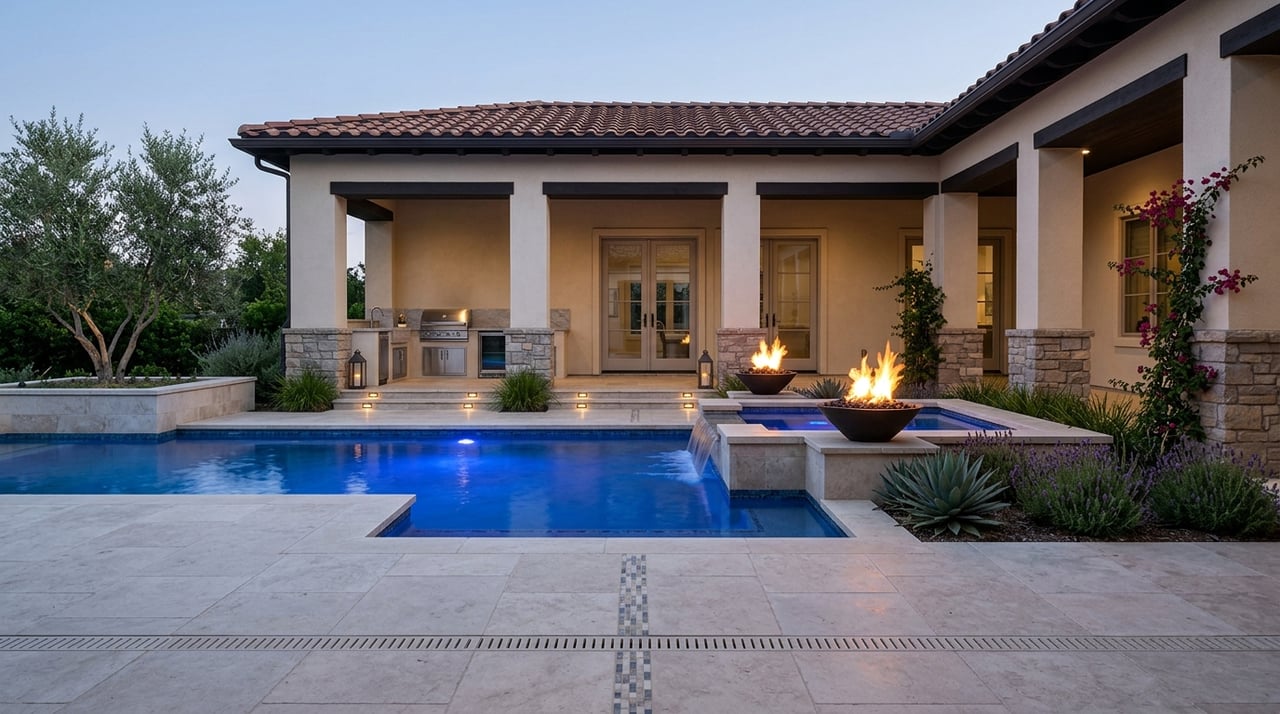
The historic Covenant in Rancho Santa Fe covers about 10 square miles and is home to roughly 4,300 residents, with an estate character that values open space and design harmony. The Association highlights an average lot size of more than two acres, which is part of what creates that calm, rural feel close to the coast. For a high-level snapshot of the area’s size, history, and community makeup, review the Association’s overview of the Covenant and its governance. You will see why many buyers view it as a true estate enclave.
The outdoor lifestyle is a major draw. The Covenant maintains nearly 60 miles of private equestrian and pedestrian trails for Association members and their guests. These trails connect estates to open spaces and give you a practical, daily way to enjoy the area’s terrain without trailering out.
- Learn more about community facts on the Association’s At a Glance page: Rancho Santa Fe Association overview
- Explore the trail system highlights here: Trails, fields, and open spaces
Equestrian essentials
If keeping horses at home is part of your plan, the Covenant is built for it. Many properties include barns, arenas, round pens, and multiple paddocks. Higher-end estates may add covered arenas, horse walkers, and on-site staff quarters. You can also scale your horse life by combining a home barn for personal use with off-site training or show prep nearby.
Local resources make day-to-day riding easier:
- Rancho Riding Club is a long-standing option for lessons, training, and boarding. It offers multiple arenas and an active community calendar. See details on the Rancho Riding Club site.
- Osuna Ranch is an Association-owned, historic property with stalls, paddocks, and training on 25 acres. It is a practical choice if you want facilities but prefer not to commercialize your residential parcel. Learn more at Osuna Ranch.
- For shows, nearby Del Mar Horsepark serves as a primary competition venue for regional hunter and jumper circuits. Read about the facility’s recent updates and reopening plans through local reporting on Del Mar Horsepark.
Covenant rules you need to know
The Rancho Santa Fe Protective Covenant and the Association’s Art Jury shape how estates look and function. Any exterior improvement, from a barn to a riding ring, goes through an architectural review and permitting process. Expect a design-forward approach that balances function with the community’s rural character. You can preview the workflow here: Architectural review process.
For horse owners, Chapter 40 of the Regulatory Code covers animal keeping and is essential reading. Key points include:
- You must obtain an Association animal-keeping permit before keeping horses on your lot.
- The minimum lot size is 2 gross acres to keep horses, and the general guideline is one horse per gross acre.
- Commercial operations such as boarding, training schools, breeding stables, or horse shows are prohibited on residential Covenant property.
- Setbacks and placement standards apply to barns, paddocks, and arenas to minimize nuisance and achieve a high-quality design result.
Review the rule specifics in the Association’s code: Animal Keeping Regulation, Chapter 40.
Covenant vs. nearby enclaves
“Rancho Santa Fe” often refers to both the historic Covenant and nearby gated or master-planned communities. The Covenant emphasizes large lots, privacy, private trails, and a timeless estate character under the Protective Covenant. Nearby enclaves outside the Covenant have their own HOAs, amenities, and design rules. Some offer smaller lot sizes and club facilities, while others prioritize golf or guard-gated privacy.
Your experience can feel different from one micro-market to the next. If horses are central to your lifestyle, confirm whether a property is inside the Covenant and how that affects trail access and on-lot equestrian use. If you prefer a lock-and-leave setup, a non-Covenant gated neighborhood may fit better. Each submarket is distinct, so compare governance, amenities, and rules before you tour.
Estate types and price context
Rancho Santa Fe is one of San Diego County’s highest-value areas, and typical home values sit in the multi-million-dollar range. In recent years, smaller estates on 1 to 3 acres often trade from the low to mid 3 million to around 7 million, depending on finishes and location. Mid-sized estates on 3 to 10 acres with quality barns and arenas commonly reach 7 to 20 million. Large ranches and trophy properties on 10 or more acres can exceed 15 to 30 million.
Pricing varies by micro-neighborhood, acreage, equestrian infrastructure, and overall design quality. Because data moves quickly, plan to review current MLS comps with your agent before you write an offer. For broader context on the area’s standing among San Diego’s most expensive ZIP codes, you can reference Forbes’ county ranking.
Who fits this lifestyle
- Equestrians who want private trail access and an established, year-round riding community. The Association maintains nearly 60 miles of trails for members and guests, which is rare in Southern California. See the trail overview for details.
- Buyers who value privacy, space, and long-term estate living close to the coast yet set apart from city bustle.
- Out-of-area buyers seeking a California estate that supports staff, multi-structure compounds, and extensive outdoor living.
If your priorities include quiet, room to spread out, and a strong equestrian backbone, Rancho Santa Fe is a natural match.
Due diligence checklist
Use this short list to focus your property tours and offer prep:
- Confirm Covenant status. Determine if the parcel sits inside the Protective Covenant or in a nearby HOA. This affects trail access, design review, and community standards. Start with the Association’s summary: At a Glance.
- Verify animal-keeping permits. Ask for the property’s animal-keeping permit history, prior Art Jury approvals, and any open violations before you remove contingencies. See rules in Chapter 40.
- Review architectural approvals. If you plan to add or relocate a barn or arena, discuss the Association’s process and timeline up front: Architectural review process.
- Check property taxes and assessments. Base taxes plus voter-approved bonds vary by Tax Rate Area. Pull parcel-level figures from the county’s published tax roll: San Diego County tax resources.
- Assess utilities and risk. Confirm water, sewer or septic, well status if applicable, insurance availability, and wildfire or brush considerations.
- Inspect equestrian infrastructure. Evaluate barn construction, drainage and footing, paddock slope, manure management, and trailer access. Ensure planned changes can meet the Association’s standards and County code.
A day in the saddle
Many owners describe a rhythm that blends ranch utility with refined living. Mornings often start in the barn, then move to a ride on the private trails before the day’s work. Afternoons can mean arena schooling at home, a lesson at Rancho Riding Club, or hauling to Del Mar Horsepark during show weeks. Evenings are for outdoor dining under loggias, watching the sun set behind rolling hills while horses settle in their paddocks. It feels secluded without being remote, which is the sweet spot for many buyers.
If Rancho Santa Fe sounds like the right fit, the next step is a focused search guided by someone who knows the rules, the trails, and the nuances of equestrian properties. When you are ready to talk strategy, connect with Lisa Hadzicki for calm, practical guidance and a plan tailored to your goals.
FAQs
What should equestrian buyers know about Rancho Santa Fe’s Covenant rules?
- The Association requires an animal-keeping permit, a minimum of 2 gross acres to keep horses, and generally one horse per gross acre. Commercial boarding or training is not allowed on residential Covenant parcels.
Are Rancho Santa Fe’s Covenant trails open to the public?
- No. The trail network inside the Covenant is private and available to Association members and their guests.
Where can I board or train if I do not want to keep horses at home?
- Many riders use local options like Rancho Riding Club or the Association’s Osuna Ranch for boarding and training, and attend shows at Del Mar Horsepark.
How do I plan barn or arena changes on a Covenant property?
- Discuss your concept early with your agent and design team, review the Association’s architectural guidelines, and plan for Art Jury review and permits alongside County approvals.
What price ranges are common for Rancho Santa Fe estates?
- Smaller 1 to 3 acre estates often sell from the low to mid 3 million to around 7 million, mid-sized equestrian estates commonly range from 7 to 20 million, and large trophy properties can exceed 15 to 30 million. Always check current comps before offering.