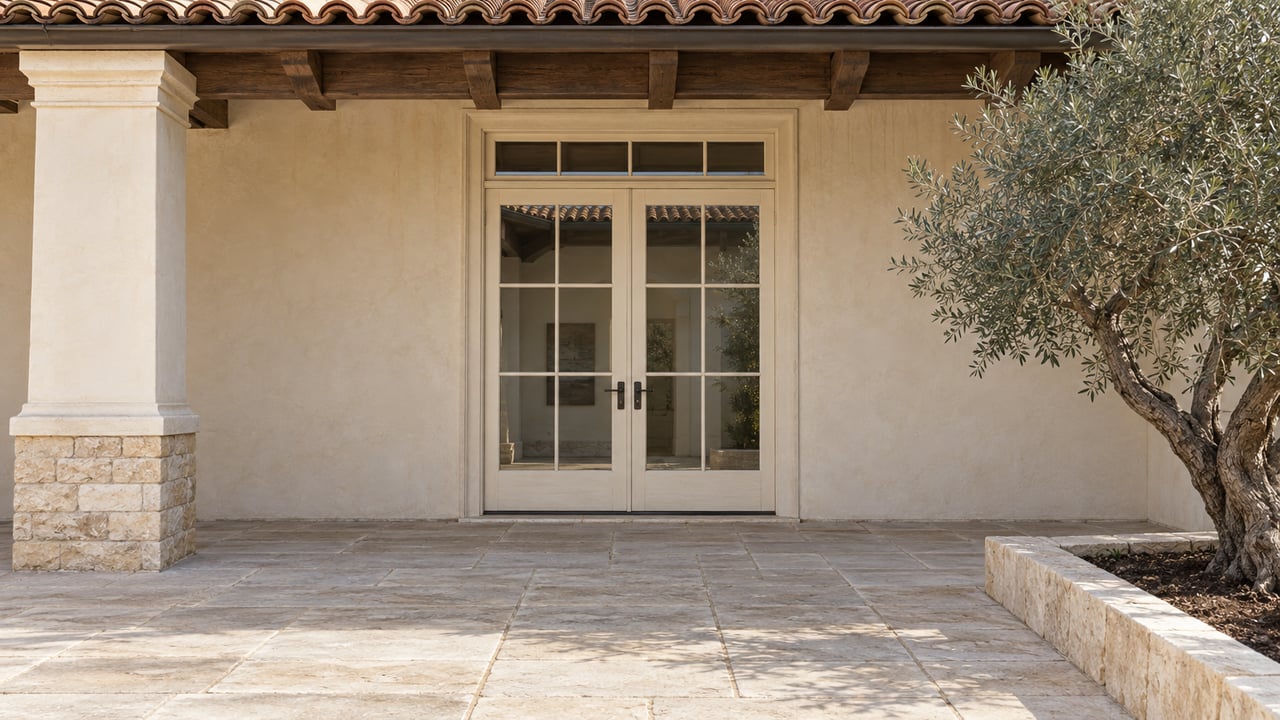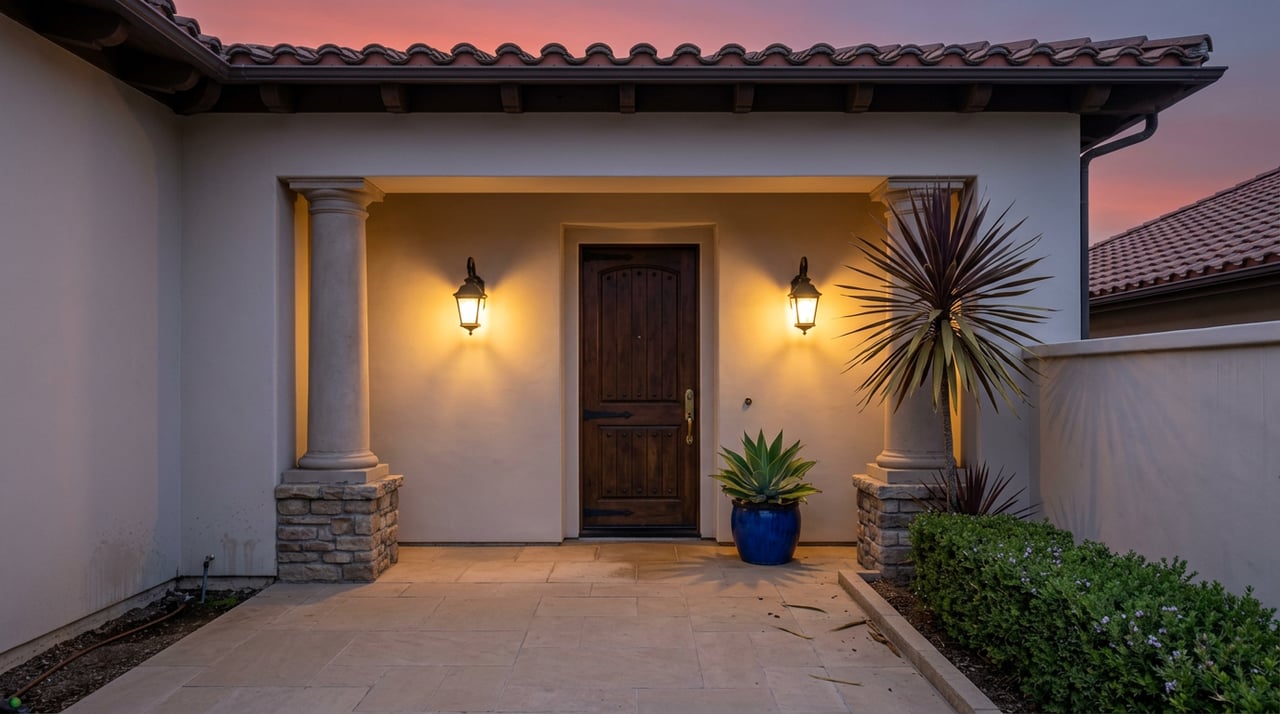
Two cottages sit a few blocks apart in Del Mar's North Beach neighborhood, similar square footage, similar lot size, listed within $50,000 of each other this fall. One listing mentions, almost in passing, that the home has "an established rental history" during racing season and the county fair. The other doesn't mention rentals at all.
A buyer who wants that income is likely to assume the first house is simply worth more, because it comes with a running vacation-rental business already attached. That assumption is the one worth checking before an offer goes in, because in Del Mar in 2026, a short-term rental permit does not travel with the deed the way most buyers expect it to.
A Cap That's Already Full
The California Coastal Commission certified Del Mar's short-term rental ordinance on February 5, 2026, and the rules took effect the same day. The city set a citywide cap of 129 permits, calculated as roughly 5% of Del Mar's housing stock based on 2020 Census figures. At the time the cap was adopted, the city had already confirmed 150 existing operators registered and grandfathered in outside that number.
Read that again: the cap is 129, and the number of legacy operators sitting outside the cap is already 150. There is no room under the ceiling for a new permit until the registered count drops below it. The ordinance also splits the citywide cap into three neighborhood ceilings, which matters if you're comparing homes across Del Mar's distinct pockets:
| Zone | Permit cap |
|---|---|
| North Beach | 77 |
| South Beach | 32 |
| Hills | 19 |
| Citywide total | 129 |
Demand for these permits isn't abstract. The Del Mar Fairgrounds draws race season, the San Diego County Fair, and concert crowds into a small coastal footprint every summer, and a home a short walk from the track has long been a natural short-term rental. That's exactly why the cap fills fast and stays full.
Why "Grandfathered" Isn't the Same as "Transferable"
Here's the part that changes the math on that North Beach cottage. The grandfathering provision that protects existing operators was built around continuity of ownership, not continuity of address. Under the adopted ordinance, an existing short-term rental can keep operating without meeting the new rules only until its permit expires, goes unrenewed, or the property is sold.
A change of ownership is one of the three events that ends the exemption. The house doesn't hand its legacy status to the next owner automatically. The next owner has to apply as a new operator, and new operators are stepping into a citywide cap that's already over capacity by 21 permits before they even file paperwork.
A short-term rental permit in Del Mar behaves less like a fixture and more like a lease on municipal capacity. It's attached to a person and a set of conditions right now. It is not guaranteed to attach to whoever buys the house next.
That reframes what the seller in our North Beach example is actually offering. The "established rental history" is real, and it may keep producing income for as long as the current owner holds the property. It is not, by itself, evidence that a buyer will be able to legally operate the same business the week after closing.
The Owner-Occupancy Rule Most Investors Don't Budget For
Even setting the transfer question aside, Del Mar's ordinance was written to keep short-term rentals tied to primary residences. An STR permit here can only attach to a home where the owner lives at least six months of the year, and non-hosted, investment-only rentals aren't permitted at all. The city also set a three-night minimum stay for STR bookings.
That structure matters for anyone treating a Del Mar purchase as a pure income play. A buyer who wants to live in Los Angeles or Orange County and rent the Del Mar house out full-time doesn't have a legal path to a permit under the current rules, transferable history or not. The realistic buyer for a legacy STR permit is someone who plans to spend real time in the home and rent it out around their own use, which narrows the pool of people to whom that "established income" is actually worth a premium.
What Actually Changes at Closing
If you're the buyer weighing that North Beach listing, the permit question needs to be resolved before you write the offer, not during escrow. A few things worth confirming directly with the city rather than taking from a listing sheet or a seller's rep:
- Confirm the current permit status with the City of Del Mar's short-term rental office, not the marketing description.
- Get any claim about permit transferability confirmed in writing by the city. Do not treat rental income projections as reliable if they depend on a transfer that hasn't been verified.
- Decide honestly whether you'll live in the home at least half the year, since that's the only condition under which a new permit could apply to you at all.
- Check the calendar. New and renewal applications run through a fixed annual window, from March 2 to May 1, and permits can't be filed outside it. New permits carry an $815 fee, with $598 for the two-year renewal.
- Price the house as a house first. Treat any surviving rental income as a bonus you've confirmed, not a feature you've assumed.
What This Means If You're Selling
If your Del Mar home carries an active STR permit and you're planning to list it, the permit's status is something you need to disclose, and the honest version of that disclosure is more useful to you than a vague reference to rental income in the listing copy. A buyer who later discovers the permit didn't survive the sale has grounds to feel misled, and that's not the reputation you want trailing a closed transaction in a small coastal market where word travels between neighbors. Marketing a home's rental history accurately, and being clear about what does and doesn't transfer, protects both the sale and the relationship with whoever buys it.
FAQ
If I buy a Del Mar home with an existing Airbnb listing, can I just keep it running? Not automatically. The prior owner's grandfathered status ends at sale. You'd need to apply as a new operator, and the citywide cap of 129 is currently full, with 150 legacy permits already outside it.
Is there any way to get a new permit right now? Only if the number of active registered permits drops below 129, which happens as existing operators let permits lapse. There's no general waitlist that guarantees a spot, and applications are only accepted during the annual March 2 to May 1 window.
Does any of this affect long-term rentals? No. The ordinance governs stays under 30 days. A Del Mar home you plan to rent on a standard month-to-month or annual lease isn't affected by the permit cap or the primary-residence requirement.
None of this is legal or tax advice, and short-term rental ordinances can be amended. Confirm current permit status, fees, and transferability directly with the City of Del Mar before making an offer or listing decision.
If you're weighing a Del Mar purchase where rental income is part of the plan, or you're getting ready to sell a home with an existing permit and want the marketing and disclosures handled correctly, Lisa Hadzicki can help you sort out what actually transfers before you're too far into escrow to renegotiate. Let's talk about your next move.